A cylinder misfire diagnosis is one of the most frustrating problems a Chrysler, Dodge or Jeep owner can face. The check engine light comes on, the engine runs rough, and suddenly you are facing mechanic quotes ranging from a few hundred dollars to several thousand. We spent months diagnosing a persistent cylinder 4 misfire on a 2017 Chrysler Pacifica that survived replacing spark plugs, ignition coils, fuel injectors, VVT and VVL solenoids, the lower intake manifold, and the EVAP system before we finally cracked the case. This guide covers everything you need to know to diagnose a cylinder misfire on your FCA vehicle before spending a single dollar at a mechanic.
What Causes a Cylinder Misfire
A cylinder misfire occurs when one or more cylinders fail to fire correctly. The most common causes on Pentastar equipped vehicles are:
- Spark plugs — worn or incorrect spark plugs are the first thing to check
- Ignition coils — a faulty coil on the misfiring cylinder is a common cause
- Fuel injectors — a clogged or faulty injector prevents proper fuel delivery
- VVL solenoids — faulty variable valve lift solenoids cause incomplete combustion
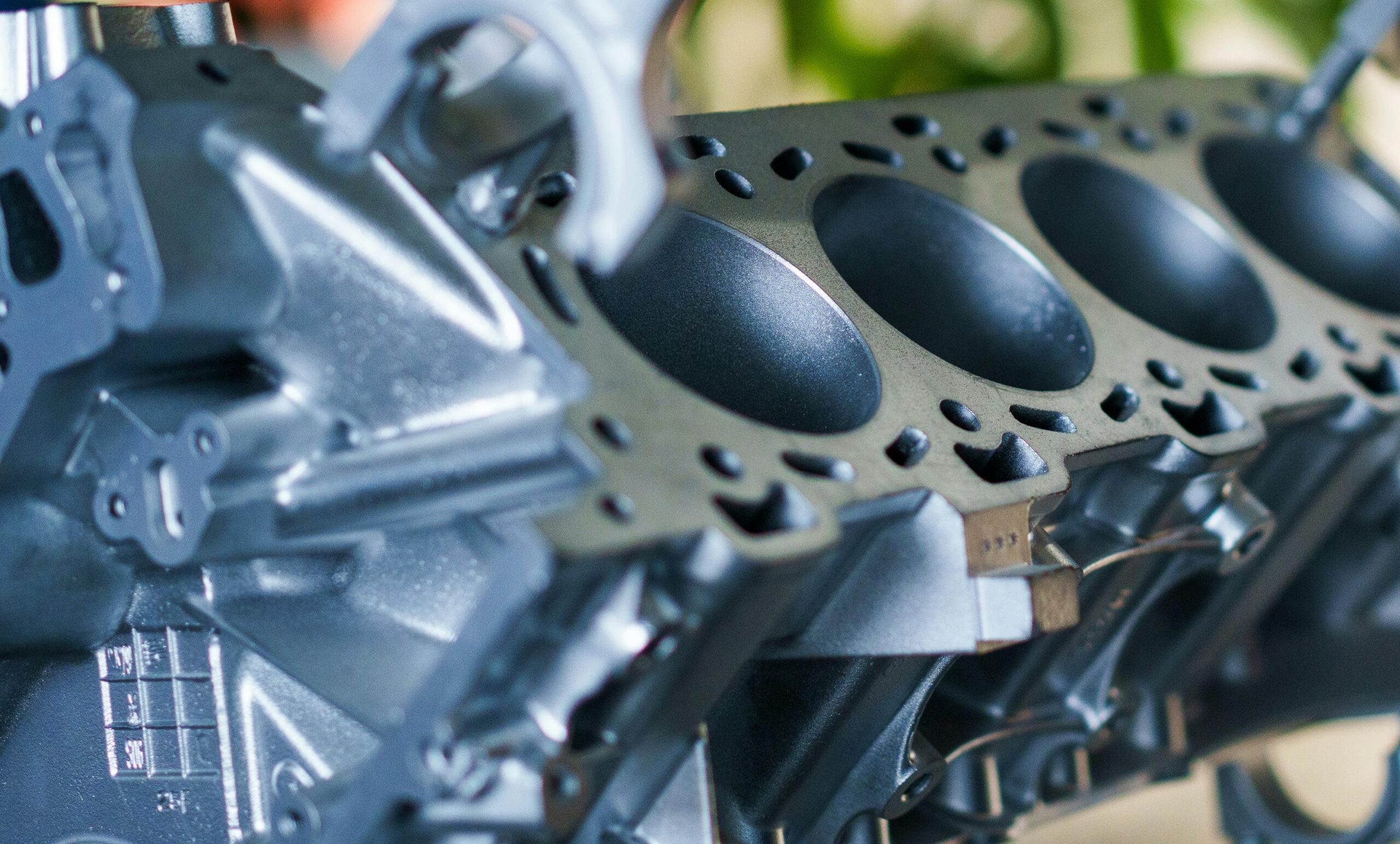
- Carbon stuck piston rings — rings packed with carbon cannot seal at idle
- Compression issues — low compression from worn or damaged rings or valves
- Vacuum leaks — unmetered air entering the intake causes lean misfires
- EVAP system — a faulty purge solenoid can cause lean conditions and misfires
The Critical Diagnostic Clue — Does the Misfire Disappear Above 1,000 RPM
This is the single most important question to answer when diagnosing a Pentastar misfire. On our Chrysler Pacifica the cylinder 4 misfire completely disappeared above 1,000 RPM. This clue alone should immediately shift your diagnosis away from ignition and fuel and toward compression and ring sealing.
Here is why — at idle combustion pressure is at its lowest. If piston rings are stuck with carbon deposits they cannot seal correctly at low combustion pressure. As RPM increases combustion pressure rises and overcomes the ring sealing issue making the misfire disappear. If your misfire only occurs at idle or low RPM do a wet versus dry compression test before replacing anything else.
Step by Step Misfire Diagnosis Process
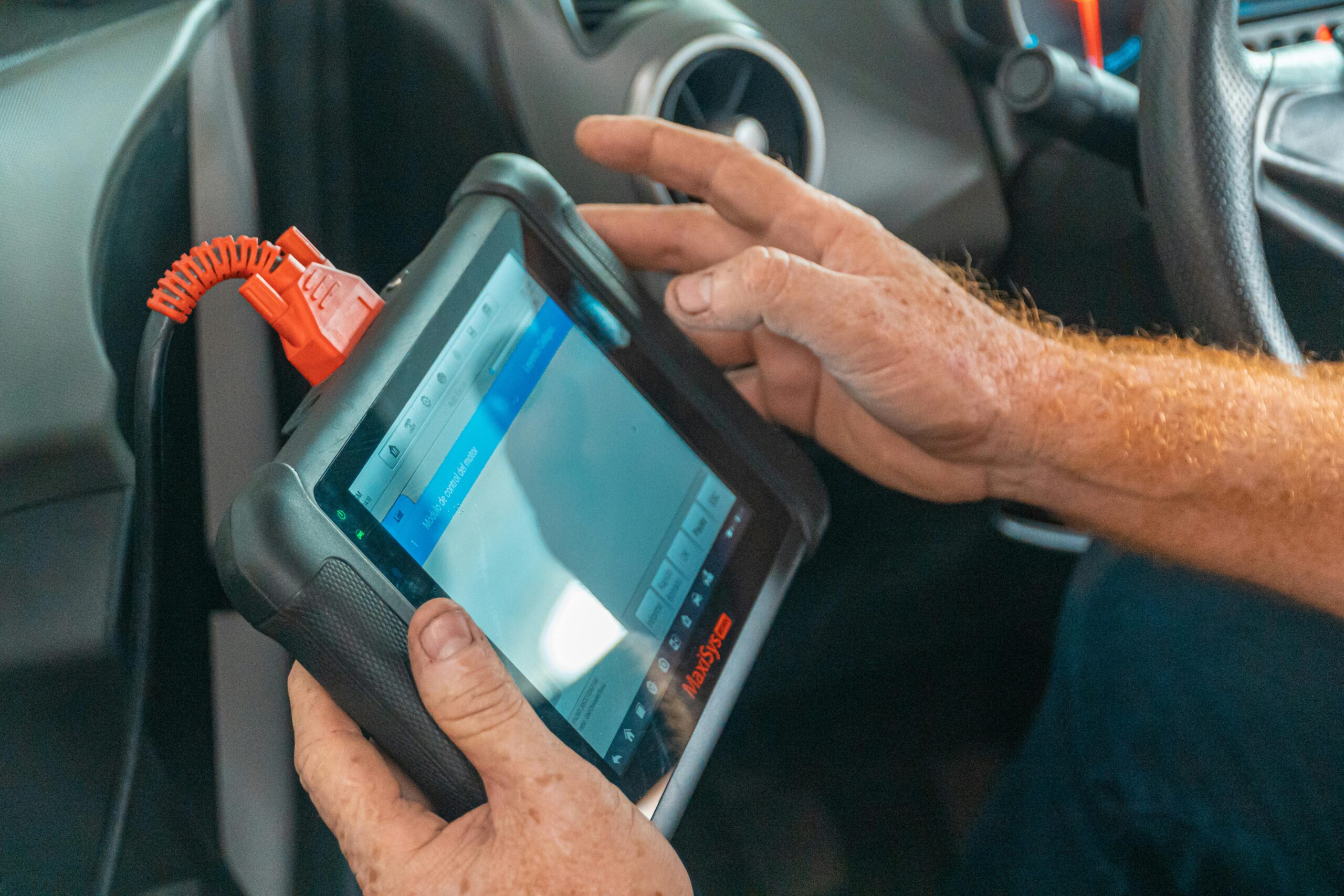
Step 1 — Read the Fault Codes Use an OBD2 scanner to read the fault codes. A P0301 through P0306 code indicates which cylinder is misfiring. Write down all codes present — multiple codes tell a more complete story than a single code alone.
Step 2 — Check Live Data This is where a quality OBD2 scanner pays for itself. Monitor these data points with the engine running:
- Individual cylinder misfire counts — which cylinder and how fast is it climbing
- Injector pulse width on all cylinders — is one cylinder shorter than the others
- Cam timing data — is VVT operating correctly
- Oxygen sensor readings — are you running lean or rich
On our Pacifica the live data showed cylinder 4 injector pulse width consistently shorter than all other cylinders — the ECU was compensating for something wrong specifically on that cylinder. That data point alone saved us from chasing the wrong repairs.
Step 3 — Swap the Ignition Coil Swap the ignition coil from the misfiring cylinder to an adjacent cylinder. Clear the codes and monitor. If the misfire follows the coil to the new cylinder the coil is the problem. If the misfire stays on the original cylinder the coil is not the cause.
Step 4 — Check Spark Plugs Remove and inspect the spark plug on the misfiring cylinder. Look for fouling, wear, or incorrect gap. Always use OEM spec plugs on the Pentastar — not aftermarket substitutes.
Step 5 — Check Fuel Injectors Monitor injector pulse width data with your OBD2 scanner. A faulty injector will show abnormal pulse width data. If replacing injectors always use vehicle specific OEM O-rings — never universal kits. The 3.6 Pentastar requires specific O-ring dimensions and the wrong size causes improper sealing.
Step 6 — Check VVL Solenoids Test your VVL solenoids for correct continuity readings. Also physically inspect the O-rings on each solenoid. A missing or degraded O-ring on a VVL solenoid causes no immediate dramatic symptoms but creates progressive incomplete combustion that packs carbon into the piston ring grooves over thousands of miles.
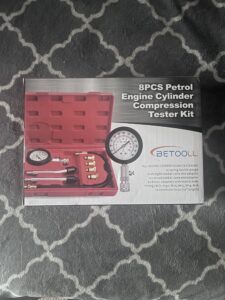
Step 7 — Wet vs Dry Compression Test This is the definitive test for carbon stuck piston rings. Perform a dry compression test first and record readings on all cylinders. Then add a small amount of oil to the misfiring cylinder through the spark plug hole and perform a wet compression test.
On our Pacifica:
- Dry compression on cylinder 4 — 150 PSI
- Wet compression on cylinder 4 — 175 PSI
- A 25 PSI jump wet versus dry is the definitive signature of carbon stuck rings not worn rings
- Below is a link for the compression kit I used
Step 8 — Borescope Inspection If you have access to a borescope camera inspect the piston crown on the misfiring cylinder through the spark plug hole. Heavy carbon deposits on the piston crown confirm carbon stuck rings as the root cause.
What We Found on Our Pacifica
After months of diagnosis we identified two faulty VVL solenoids — one with a missing bottom O-ring that had been causing incomplete combustion for approximately 20,000 miles. That incomplete combustion over time packed carbon into the cylinder 4 piston ring grooves. The rings could not seal at idle where combustion pressure is lowest — which is exactly why the misfire disappeared above 1,000 RPM.
The wet compression test confirmed it. The borescope confirmed it. And a $30 fix using Marvel Mystery Oil overnight soak followed by Seafoam direct intake treatment resolved it completely within 5 minutes of highway driving.
The complete step by step documented fix is coming very soon to SmartVehicleHub.
What to Do Before Agreeing to Major Repairs
If a mechanic is quoting you for head replacements, new cylinder heads, or a new engine for a misfire on a Pentastar vehicle always do these things first:
- Perform the wet versus dry compression test
- Check VVL solenoid O-rings
- Monitor live data with an OBD2 scanner
- Try the Marvel Mystery Oil and Seafoam treatment protocol
- Get a second opinion from another mechanic
We saved thousands of dollars by refusing to accept the first diagnosis and doing our own research. The complete story of how we did it is coming very soon.
Final Thoughts
A cylinder misfire on a Pentastar engine is not always the catastrophic problem mechanics make it out to be. Systematic diagnosis with the right tools and knowledge can save you thousands of dollars. Stay tuned to SmartVehicleHub for the complete documented Pacifica cylinder 4 misfire fix that nobody else on the internet has covered.