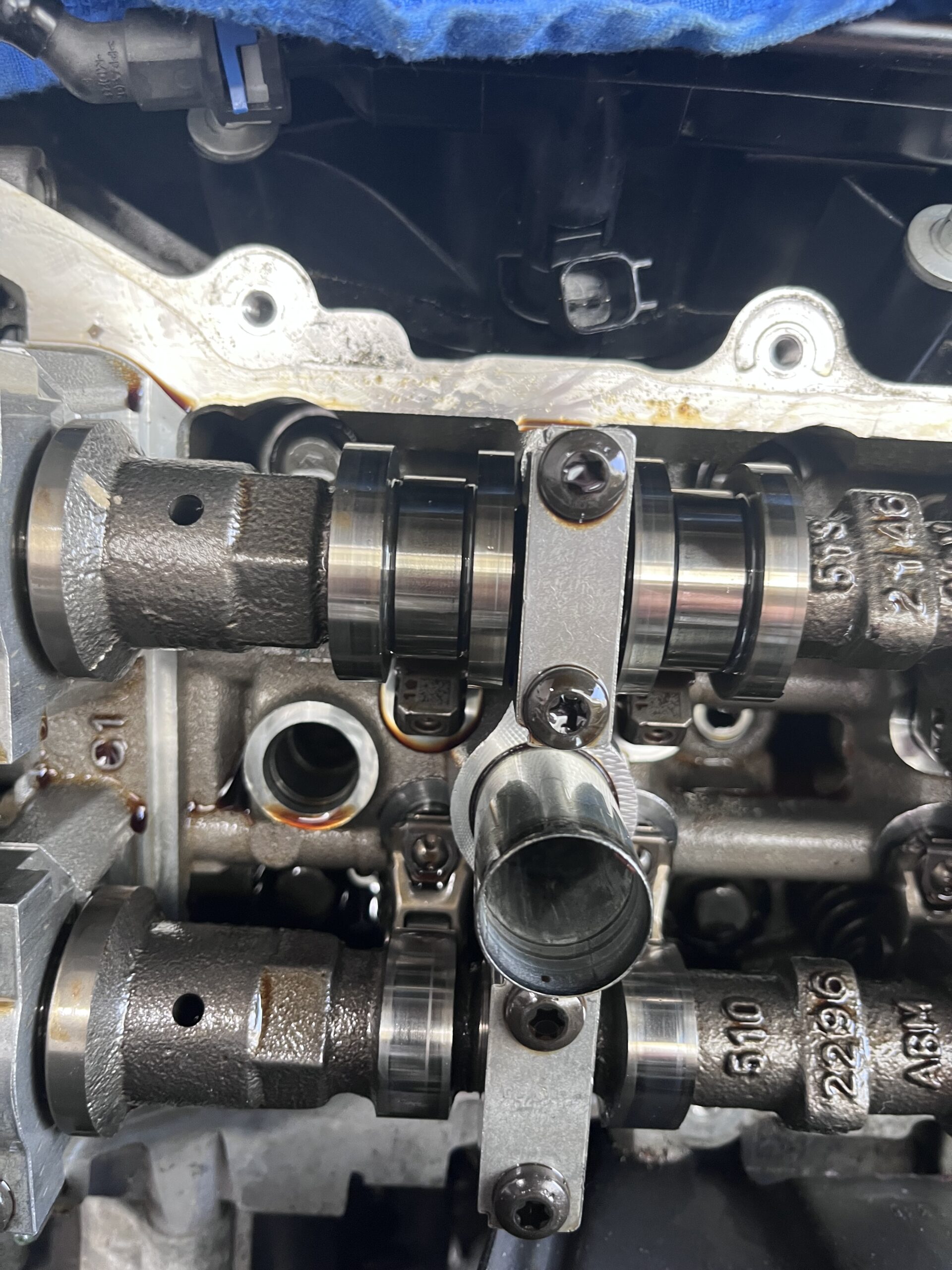
Carbon buildup is one of the most misunderstood and misdiagnosed problems on modern engines including the 3.6 Pentastar. Mechanics use it as a catch-all explanation for misfires, rough idle, and performance issues — sometimes correctly and sometimes as justification for expensive repairs that are not actually needed. This complete carbon buildup 3.6 Pentastar guide gives you the real facts so you can make informed decisions before agreeing to any repair.
Understanding Carbon Buildup on the 3.6 Pentastar
The 3.6 Pentastar is a multi-port fuel injection engine. This is an important distinction. Unlike direct injection engines where fuel is sprayed directly into the combustion chamber bypassing the intake valves the Pentastar sprays fuel into the intake ports. This means the intake valves are continuously washed with fuel during normal operation significantly reducing the intake valve carbon buildup that plagues direct injection engines.
Where carbon buildup does occur on the Pentastar is in the piston ring grooves and on piston crowns. This happens when incomplete combustion occurs over an extended period — for example when a VVL solenoid is faulty or has a missing O-ring causing abnormal combustion for thousands of miles. Carbon deposits pack into the piston ring grooves preventing the rings from sealing correctly at low combustion pressure such as at idle.
Symptoms of Carbon Buildup on Piston Rings
The symptoms of carbon stuck piston rings are specific and distinguishable from other engine problems:
- Misfire at idle that disappears above 1,000 RPM — this is the most telling symptom
- Rough idle that smooths out at higher RPM
- Check engine light with cylinder specific misfire codes — P0301 through P0306
- Slightly low but consistent compression readings on affected cylinders
- Wet compression significantly higher than dry — the definitive diagnostic confirmation
If your misfire disappears completely above 1,000 RPM this is a strong indicator of carbon stuck rings not an ignition or fuel problem. Do a wet versus dry compression test before replacing any parts.
The Definitive Diagnostic — Wet vs Dry Compression Test
This is the single most important test for confirming carbon stuck piston rings on a Pentastar engine. Here is how to perform it:
Step 1 — Dry Compression Test
- Remove all spark plugs
- Disable the fuel system
- Crank the engine and record compression on each cylinder
- Normal Pentastar compression is 150 to 175 PSI
Step 2 — Wet Compression Test
- Add approximately one tablespoon of engine oil to the cylinder with low or suspect compression through the spark plug hole
- Reinstall the compression tester and crank again
- Record the wet compression reading
What The Results Mean:
- Wet compression significantly higher than dry — carbon stuck rings confirmed. The oil temporarily seals the rings allowing full compression.
- Wet and dry compression similar — rings are worn not carbon stuck. A different diagnosis is needed.
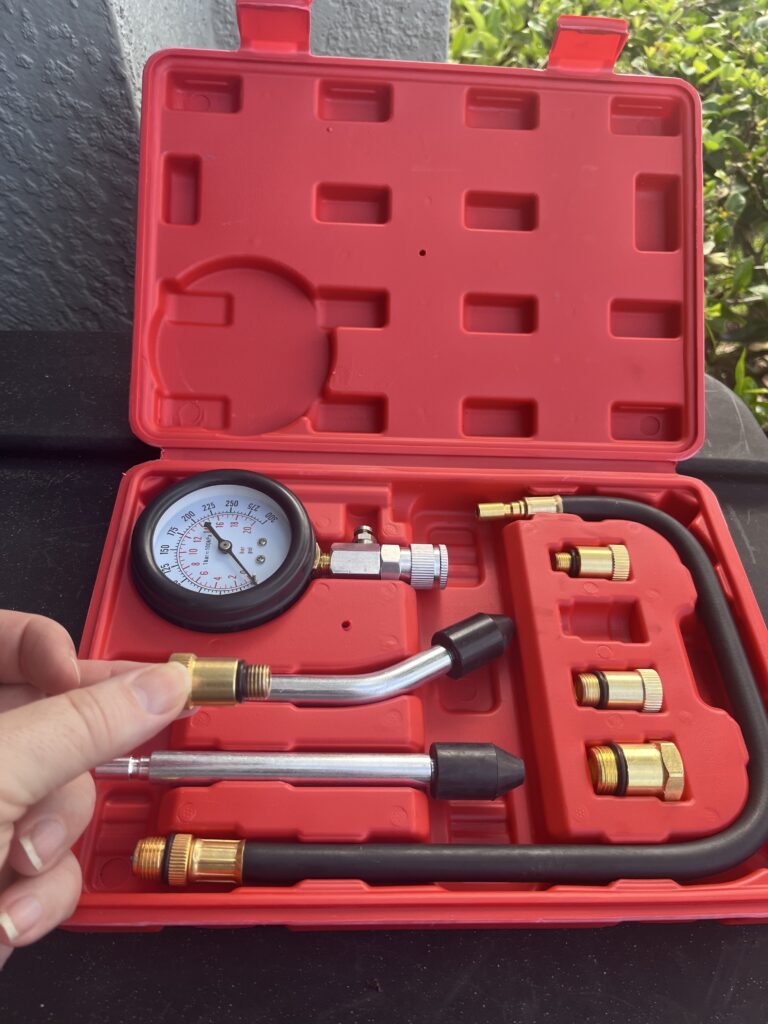
On our Chrysler Pacifica cylinder 4 showed 150 PSI dry and 175 PSI wet — a 25 PSI jump that confirmed carbon stuck rings beyond any doubt.
This is the compression kit I use and the attachment I am holding is the one for the Pentastar spark plug hole.
How Carbon Gets Into Piston Ring Grooves on the Pentastar
On the 3.6 Pentastar carbon piston ring buildup is almost always caused by incomplete combustion over an extended period. The most common root causes are:
- Faulty VVL solenoids — incorrect valve lift causes abnormal combustion
- Missing or degraded VVL solenoid O-rings — causes oil intrusion and incomplete combustion
- Extended periods of short trip driving — engine never fully warms up
- Infrequent oil changes — carbon laden oil deposits accelerate buildup
- Faulty fuel injectors — incorrect spray pattern causes incomplete combustion
On our Pacifica the root cause was a VVL solenoid with a missing bottom O-ring that had been causing incomplete combustion for approximately 20,000 miles. That extended period of abnormal combustion packed carbon into the cylinder 4 piston ring grooves causing a persistent misfire that survived replacing almost every component on the engine.
How to Fix Carbon Stuck Piston Rings
The good news is that carbon stuck piston rings do not necessarily require engine disassembly. The treatment protocol we used on our Pacifica costs approximately $30 and resolved the misfire completely:
Step 1 — Marvel Mystery Oil Overnight Soak
- Remove the spark plug from the affected cylinder
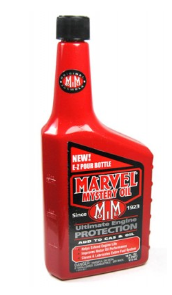
- Squirt approximately 50ml of Marvel Mystery Oil directly into the cylinder through the spark plug hole
- Reinstall the spark plug loosely
- Let soak for a minimum of 8 hours — overnight is ideal
- Remove the spark plug and shop vacuum out the cylinder before starting
Step 2 — Seafoam SF16 Direct Intake Treatment
- Warm the engine to full operating temperature
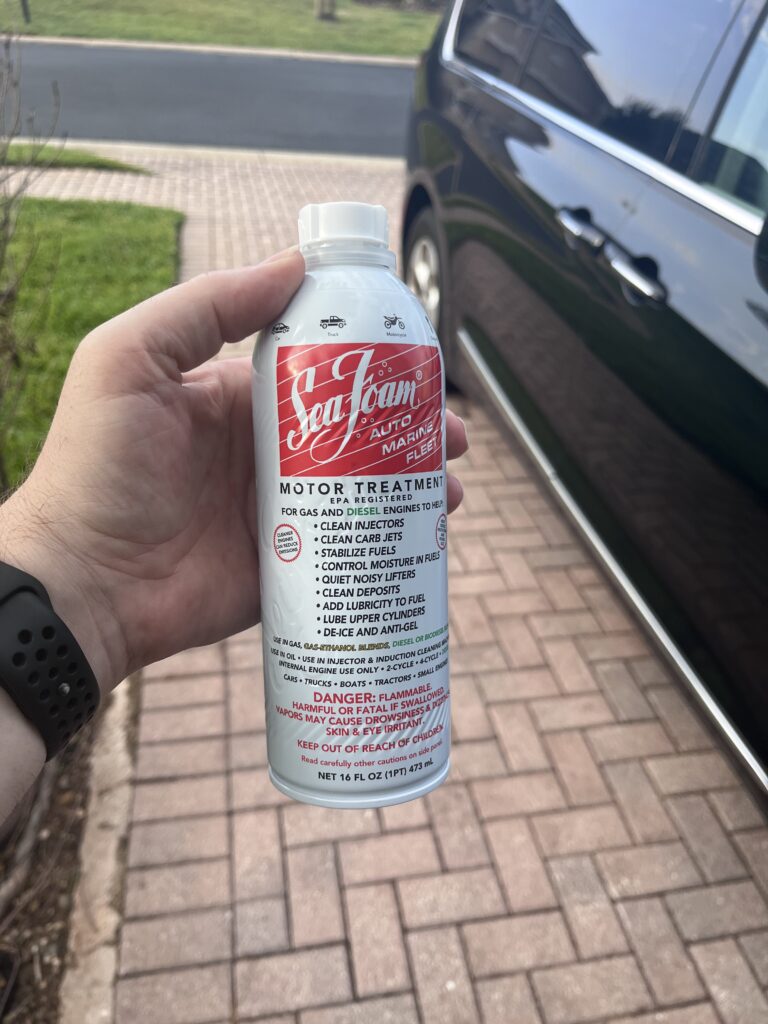
- Draw half a can of Seafoam SF16 through the EVAP hose at 2,000 RPM
- Shut the engine off immediately and soak for 45 minutes
- Restart and rev firmly to 3,000 to 4,000 RPM until the smoke clears
- Follow with a 45 minute highway drive varying RPM up to 4,000
Step 3 — Fresh Oil Change
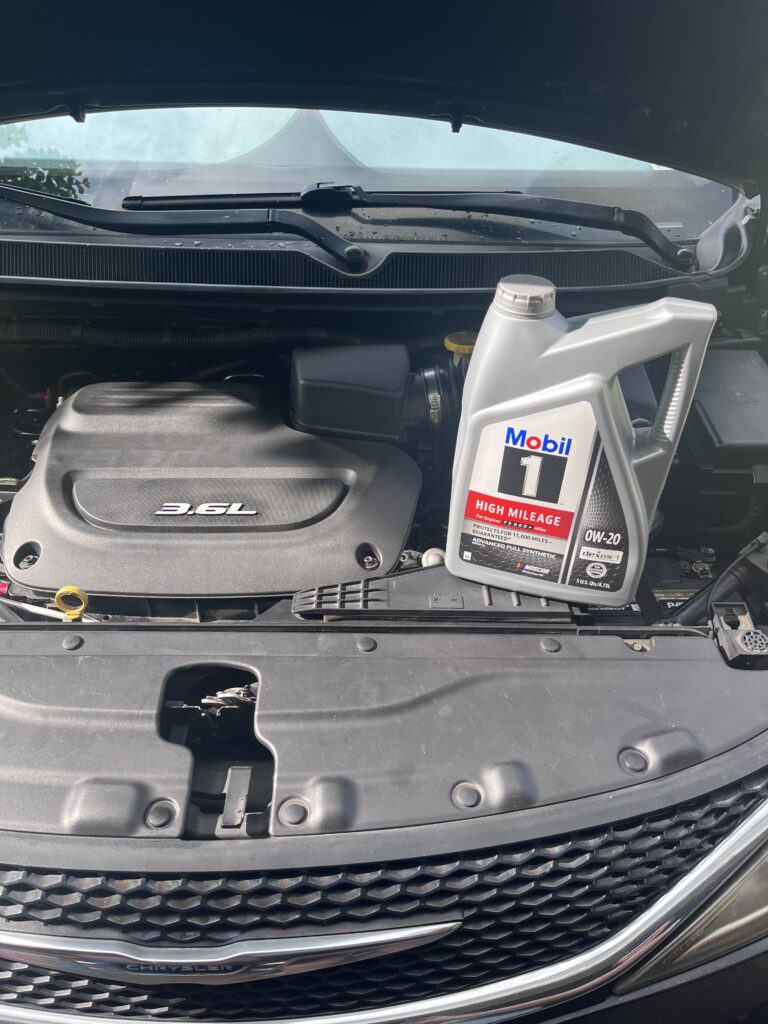
- This is the most important step because you need to remove all the carbon that is still floating in the oil
- Change to Mobil 1 full synthetic with a K&N filter immediately after treatment
- This flushes all loosened carbon deposits from the engine
On our Pacifica the misfire resolved within 5 minutes of highway driving after this protocol. The complete documented step by step guide with live data confirmation is coming very soon to SmartVehicleHub.
How to Prevent Carbon Buildup on Your Pentastar
Prevention is far easier and cheaper than treatment. Here is what we recommend:
- Change oil every 5,000 miles with full synthetic — clean oil prevents carbon accumulation
- Add Seafoam SF16 to fuel every 5,000 miles — keeps combustion chambers clean
- Perform Seafoam direct intake treatment once per year — proactive ring cleaning
- Inspect VVL solenoids and O-rings at 60,000 miles — catch failures before they cause damage
- Use OEM spec fuel injector O-rings — never universal kits
- Avoid extended short trip driving — take your vehicle on a highway run regularly
Seafoam SF16 on Amazon | Marvel Mystery Oil on Amazon | Mobil 1 on Amazon | K&N Filter on Amazon
What Mechanics Get Wrong About Carbon Buildup on the Pentastar
Because the 3.6 Pentastar is a multi-port injection engine it does not suffer from the intake valve carbon buildup that affects direct injection engines. When a mechanic recommends an intake valve walnut blasting service on a Pentastar they are either mistaken about the engine type or recommending an unnecessary service. Always confirm what type of fuel injection your specific vehicle uses before agreeing to any carbon cleaning service.
The carbon problem on the Pentastar lives in the piston ring grooves — not on the intake valves. The fix is a Marvel Mystery Oil soak and Seafoam treatment — not a $1,500 walnut blasting service.
Final Thoughts
Carbon buildup on the 3.6 Pentastar is a real problem but it is not the catastrophic diagnosis mechanics sometimes make it out to be. Understanding where carbon actually accumulates on this engine and how to diagnose and treat it correctly can save you thousands of dollars. The complete documented Pacifica cylinder 4 misfire fix guide — including live data confirmation of the fix — is coming very soon to SmartVehicleHub. It is the most comprehensive real world Pentastar misfire fix ever documented online.