Most people treat their car like a disposable appliance. They skip oil changes, ignore warning lights, and wonder why they’re at the dealership every other year writing big checks.
I take a different approach. I have gotten 250,000 miles out of vehicles that most people would have given up on at 100,000 — not because I got lucky, but because I paid attention and did the car maintenance myself. This is everything I have learned along the way.
1. Change Your Oil on Schedule — Every Single Time
This is the single most important thing you can do for your engine. Oil breaks down over time and loses its ability to lubricate engine components. Running dirty oil is like running sandpaper through your engine.
I change my oil every 5,000 miles with conventional oil or every 7,500 miles with synthetic. I never go over. A basic oil filter wrench set like the WORKPRO Oil Filter Wrench Set makes doing it yourself quick and easy — and saves you $50-80 every single time compared to a shop.
2. Check Your Tire Pressure Every Month
Underinflated tires wear unevenly, reduce fuel economy, and put stress on your suspension. Overinflated tires reduce traction and increase blowout risk. Neither is good.
A quality Portable Tire Inflator in your trunk means you can check and adjust your tire pressure anywhere — no gas station needed. I check mine the first Sunday of every month without fail.
3. Never Ignore the Check Engine Light
I know people who have driven for months with the check engine light on. That light is your car telling you something is wrong. Ignoring it can turn a $50 fix into a $500 repair.
An OBD2 Scanner reads the exact code behind that light in seconds. I plugged mine in once and found a loose gas cap was triggering the sensor — a 10 second fix that would have cost me a diagnostic fee at the shop. Every driver should own one of these.
4. Keep Up With Coolant Flushes
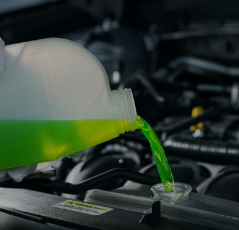
Coolant degrades over time and loses its ability to prevent corrosion inside your engine. Old coolant can eat through your water pump, radiator, and heater core — all expensive repairs.
Flush your coolant every 30,000 miles or every 2 years. It costs about $20 in materials and an hour of your time.
5. Replace Your Air Filter Regularly
A clogged air filter chokes your engine and kills fuel economy. It takes about 5 minutes to replace and costs $15-25. I replace mine every 15,000-20,000 miles or whenever it looks dirty.
Pull it out and hold it up to the light — if you can’t see light through it, it needs replacing.

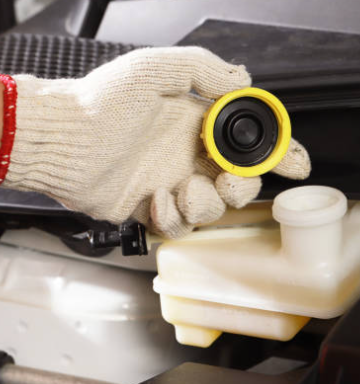
6. Flush Your Brake Fluid
Brake fluid absorbs moisture over time which lowers its boiling point and reduces braking effectiveness. Most manufacturers recommend flushing it every 2 years.
This is one of the most overlooked maintenance items on any car — and one of the most important for safety.
7. Keep It Clean Inside and Out
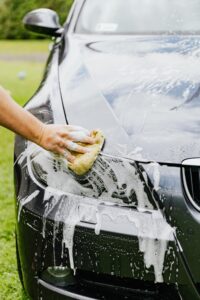
This might sound cosmetic but it matters more than you think. Road salt, bird droppings, and UV exposure attack your paint and cause rust. A dirty interior harbors moisture that can cause mold and damage electronics.
A complete Car Wash Cleaning Kit gives you everything you need to detail your own car at home. I wash mine every two weeks and have never had a rust problem.
8. Address Small Problems Before They Become Big Ones
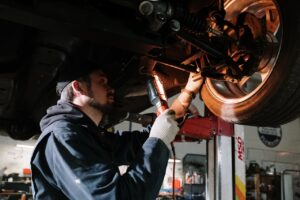
A small oil leak ignored becomes an engine replacement. A slightly soft brake pedal ignored becomes a brake failure. The difference between a car that reaches 250,000 miles and one that dies at 120,000 is almost always whether the owner addressed small problems early.
Walk around your car once a week. Look underneath it. Check your fluids. Listen for sounds that weren’t there before. Your car will tell you what it needs — you just have to pay attention.
9. Always Have a Jump Starter in Your Trunk
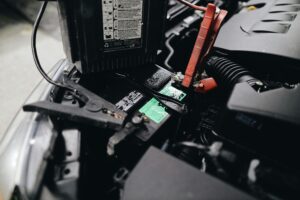
Batteries die without warning. I never go anywhere without a NOCO Boost Jump Starter in my trunk. 500 amps of starting power in a package smaller than a paperback book. No more calling for help or waiting for a stranger — just plug it in and go.
10. Find a Good Independent Mechanic for What You Can’t Do Yourself
I do most of my own work but there are times when you need a lift, a specialty tool, or a second set of experienced hands. A good independent mechanic charges half what a dealership does and usually does better work.
Build that relationship before you need it. Ask around, read reviews, and find someone you trust.
Final Thoughts
Getting 250,000 miles out of a car is not magic. It is consistency. Change your oil, check your tires, listen to your car, and fix small problems before they become big ones. Do those things and your car will reward you with years of reliable service.
The dealership wants you to think your car is too complicated to maintain yourself. It isn’t. You’ve got this.
— Sean, SmartVehicleHub
Looking for the tools to do the job right? Check out our Reviews page for our top picks.