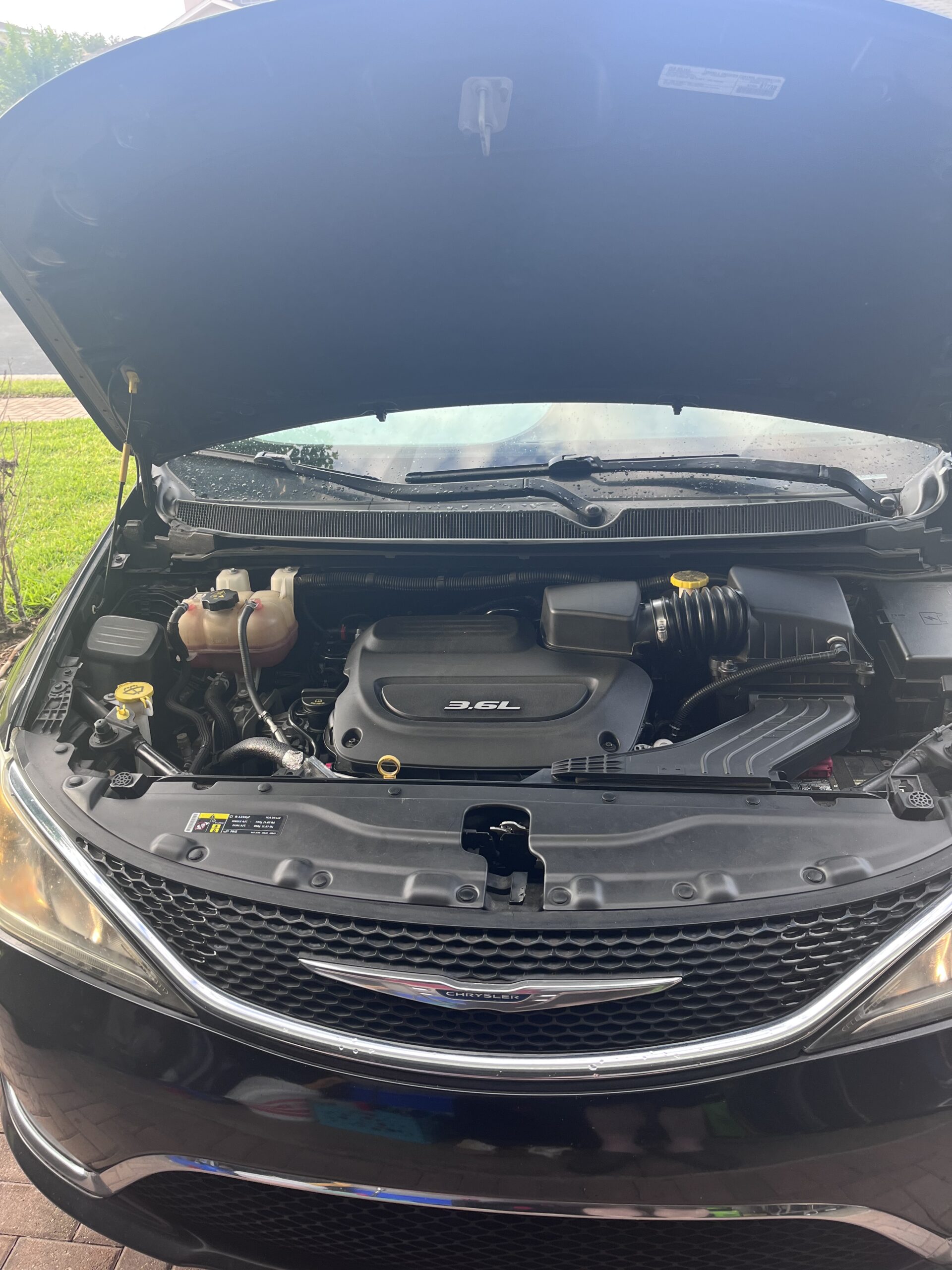
The 3.6 Pentastar V6 is one of the most capable and long lasting engines Chrysler has ever built. We have seen these engines go well beyond 200,000 miles with proper maintenance. We have also seen them fail prematurely because owners ignored the basics. This complete 3.6 Pentastar maintenance schedule covers everything Chrysler, Dodge and Jeep owners need to stay ahead of the known Pentastar weak points and keep their engine running strong for the long haul.
Why Maintenance Matters More on the Pentastar
The 3.6 Pentastar has well documented weak points including rocker arm wear, VVL solenoid failures, and oil filter housing leaks. Most of these issues either develop slowly over time or are made significantly worse by neglected maintenance. Staying on top of this schedule is the single most effective thing you can do to prevent expensive repairs.
Every 5,000 Miles
Oil and Filter Change This is the most important maintenance item on any Pentastar engine. Use full synthetic oil — we recommend Mobil 1 — and always replace the filter at every change. The Pentastar’s valvetrain components including the rocker arms and VVL solenoids are highly dependent on clean oil pressure to function correctly. Dirty or degraded oil accelerates wear on these components faster than almost anything else.
- Use full synthetic 0W-20 or what specified type your model calls for
- Never exceed 5,000 miles between changes on a Pentastar
- Always use a quality OEM spec oil filter — not the cheapest option on the shelf
- Check oil level between changes especially on higher mileage engines
Visual Inspection
- Check oil filter housing for cracks or seepage — this is a known failure point. Shine a flashlight into the valley next to the oil filter to see any buildup
- Check for any new fluid leaks under the vehicle
- Check all fluid levels — coolant, brake fluid, power steering, transmission
Every 15,000 Miles
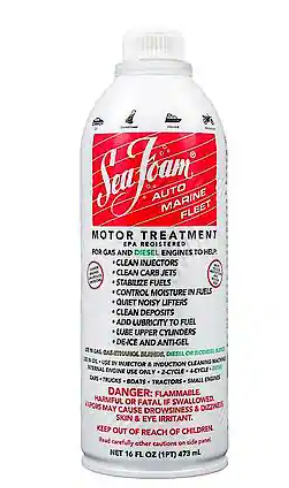
Fuel System Treatment Add a full can of Seafoam to your fuel tank every 15,000 miles. This keeps the fuel injectors clean and the combustion chambers free of deposits. For multi-port injection Pentastar engines like the 3.6 this is one of the most effective preventive maintenance steps you can take.
Fuel System Treatment Add a full can of Seafoam to your fuel tank every 15,000 miles. This keeps the fuel injectors clean and the combustion chambers free of deposits. For multi-port injection Pentastar engines like the 3.6 this is one of the most effective preventive maintenance steps you can take.
Spark Plugs Inspection Check spark plug condition at 15,000 miles on higher mileage engines. Worn spark plugs cause misfires and put additional stress on ignition coils.
Every 30,000 Miles
Spark Plug Replacement Replace all six spark plugs at 30,000 miles. Use OEM spec plugs — not aftermarket. The Pentastar is sensitive to spark plug quality and incorrect plugs can cause misfires and drivability issues.
Engine Air Filter Replace the engine air filter every 30,000 miles or sooner if you drive in dusty conditions. A clogged air filter reduces power and fuel economy.
Marvel Mystery Oil Treatment Add Marvel Mystery Oil to your engine oil 300 miles before your 30,000 mile oil change. This helps clean the valvetrain components and keep the rocker arms and lifters properly lubricated. Follow up with a fresh oil change using Mobil 1 synthetic.
Every 60,000 Miles
VVL Solenoid Inspection Have your VVL solenoids inspected at 60,000 miles. These solenoids control variable valve lift and are a known failure point on the Pentastar. Check for correct continuity readings and inspect O-rings carefully — a missing or degraded O-ring on a VVL solenoid can cause incomplete combustion and progressive carbon buildup in the piston ring grooves over thousands of miles without throwing obvious fault codes.
Fuel Injector Inspection Inspect fuel injectors and O-rings at 60,000 miles. Always use vehicle specific OEM O-rings — never universal kits. The 3.6 Pentastar requires specific O-ring dimensions and using the wrong size causes improper sealing and can contribute to misfires.
Coolant Flush Replace engine coolant at 60,000 miles. The Pentastar runs an aluminum block and head — degraded coolant accelerates corrosion of internal passages.
Every 100,000 Miles
Timing Chain Inspection Have the timing chain system inspected at 100,000 miles. Listen for any rattling on cold starts before this point — that is the early warning sign of timing chain wear. The Pentastar timing chain drives the water pump so a failing chain can take the water pump with it.
Water Pump Consider proactive water pump replacement at 100,000 miles. Since it is driven by the timing chain the labor overlap makes this a smart preventive investment.
Serpentine Belt Replace the serpentine belt at 100,000 miles regardless of appearance.
Ongoing — Every Fill Up
Always use name brand fuel, avoid trying to save 5 cents by going with the cheaper brand, you engine will thank you in the long run.
The Single Most Important Maintenance Rule for Pentastar Owners
Change your oil every 5,000 miles with full synthetic and never skip it. Everything else on this list matters but nothing matters more than clean oil in a Pentastar engine. The rocker arms, lifters and VVL solenoids all depend on proper oil pressure and clean oil to function correctly. This one habit alone will extend the life of your Pentastar significantly.
Final Thoughts
The 3.6 Pentastar will go the distance if you stay ahead of the maintenance schedule. We have seen these engines thrive well past 200,000 miles in properly maintained vehicles. Stay tuned to SmartVehicleHub for more real world Pentastar guides, diagnostic tips, and the complete documented story of our Chrysler Pacifica cylinder 4 misfire fix that is coming very soon.